For decades, case picking has remained one of the most labor-intensive, costly, and inflexible workflows in warehouse operations. As order volumes and SKU complexity have increased, many facilities have struggled to scale without sacrificing efficiency or employee well-being. Traditional automation approaches—like conveyors and fixed infrastructure—require massive upfront investment and offer little flexibility when conditions change.
At the same time, pickers are spending up to 70% of their shift walking rather than picking, contributing to fatigue, turnover, and lost productivity.
GEODIS, like many leading logistics providers, faced this challenge head-on. With a strong foundation in operational excellence, they recognized that modern case picking required more than incremental improvement—it needed a rethinking of how people and automation could work together.
That’s where Vecna Robotics came in.
GEODIS and Vecna had already established a strong working relationship following the successful deployment of autonomous tuggers for material movement. When the time came to reimagine case picking, GEODIS once again turned to a trusted collaborator.
“What stood out with Vecna was the partnership. From day one, they focused on how we could improve—not just implement a new tool,” said Andy Johnston, Senior Director of Innovation at GEODIS.
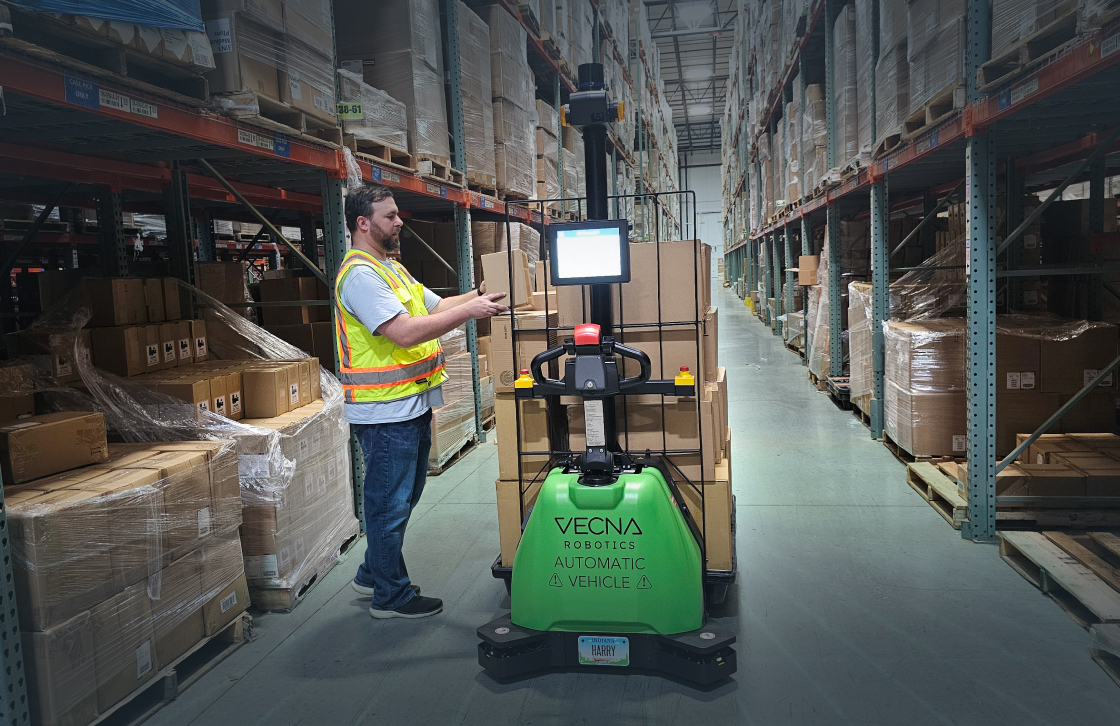
Together, they implemented CaseFlow™ – Vecna Robotics’ intelligent, flexible case picking solution designed to minimize travel, orchestrate labor in real time, and deliver scalable productivity gains.
How CaseFlow Works
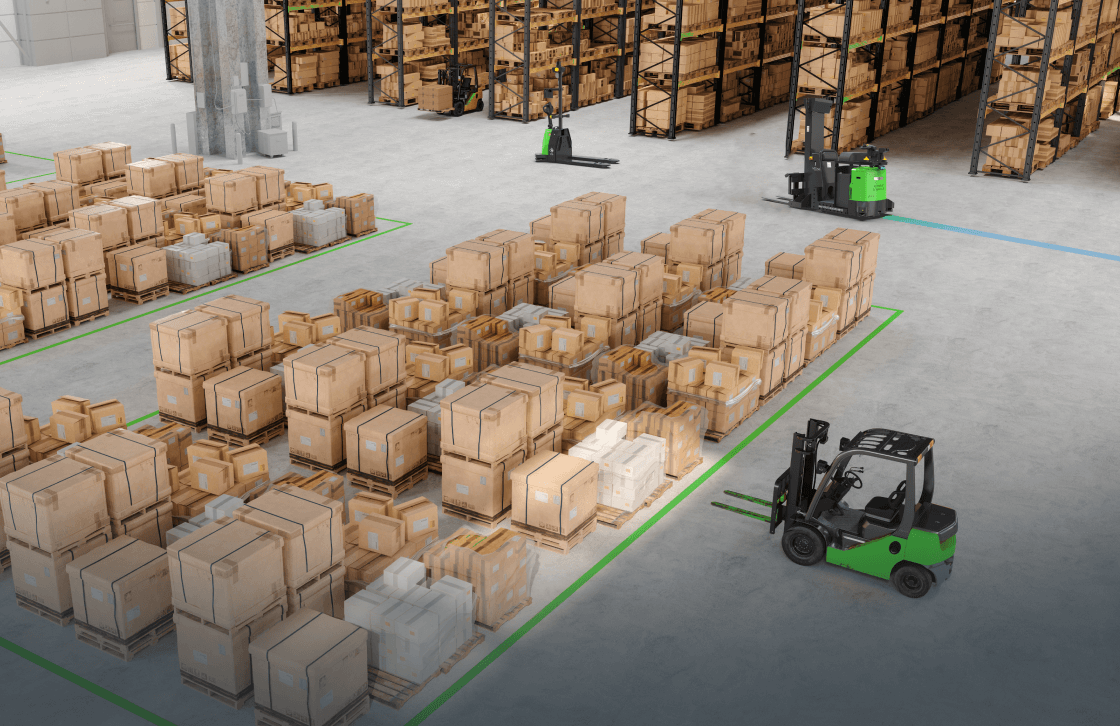
CaseFlow™ is Vecna Robotics’ end-to-end case picking solution that orchestrates pallet-handling robots and human workers in perfect sync.
What it does:
- Uses the CPJ Co-bot Pallet Jack to automate pallet travel
- Guides pickers through wearables or voice UI, enabling efficient dynamic zone picking across multiple orders
- Dynamically assigns and reassigns tasks throughout the shift based on live priorities
- Connects directly to your WMS to orchestrate every step—from pallet pickup to outbound dock
At the core of CaseFlow™ lies Pivotal™, Vecna Robotics’ powerful orchestration software. Pivotal™ acts as the intelligent control layer that unifies every element of the system—robots, human workers, task logic, and data—into one seamless workflow. Rather than layering automation on top of existing challenges, Pivotal™ reimagines the case picking process from the ground up. It transforms static operations into dynamic, real-time systems that continuously adapt to the environment, priorities, and throughput needs.
This model eliminates up to 90% of walking, reduces training time, and boosts productivity by enabling pickers to focus solely on value-added work.
The Impact at GEODIS
At the GEODIS site where CaseFlow was first implemented, the results were immediate and measurable:
- 2x improvement in picker throughput
- 90% reduction in non-value-added walking
- 0 reported injuries
- Improved worker satisfaction and retention
- Rapid deployment in under 4 weeks
“It’s a retention tool. Our associates see the robots as a support system—not a replacement. It makes their jobs better,” Johnston said.
CaseFlow’s adaptability and ease of integration meant minimal disruption to daily operations, while Pivotal’s orchestration layer ensured continuous optimization of routes, task assignments, and vehicle utilization.
“Vecna didn’t just drop in some robots. They brought a strategic solution that supports our long-term goals—and made it easy to scale,” Johnston noted.
From the initial rollout to ongoing support, Vecna Robotics has remained a true partner, helping GEODIS build fulfillment centers that are faster, smarter, and more human-friendly.